Cast Iron Care 101: How to Season, Clean, Restore, and Grill with Cast Iron
Last updated: October 2026
Cast Iron Care (TL;DR):
- Season to protect the metal, prevent rust, and create a natural nonstick surface.
- Clean promptly after cooking (warm pan, hot water, brush/scraper).
- Dry completely right away (heat briefly if needed).
- Oil lightly after cleaning to maintain the surface.
- Grill grates: clean, wipe on a thin coat of high smoke point oil, heat at 400 to 450°F for 30 to 60 minutes, repeat 2 to 4 times. Porcelain-coated grates skip this.
- Re-season only when needed (dull, patchy, sticky, or rust spots).
Cast iron cookware has earned its reputation the hard way, through decades (and sometimes generations) of real-world use over fire, coals, burners, and grills. While trends come and go, cast iron remains one of the most reliable, versatile, and rewarding tools a cook or pitmaster can own.
Cast iron is different from stainless steel or nonstick cookware. It doesn’t reward shortcuts. It improves through use, heat, and proper maintenance.
What you’ll learn: how to season cast iron correctly, clean it without stripping the surface, restore rusted pieces, and keep cast iron performing on grills, smokers, and open fire.
Why Cast Iron Is Worth the Effort
Cast iron excels because of its thermal mass. Once it gets hot, it stays hot.
- Create deep, even sears
- Maintain temperature over open flames
- Perform consistently on grills, smokers, and campfires
- Improve with age rather than wear out
With proper care, cast iron cookware can last for decades while improving its cooking surface over time.
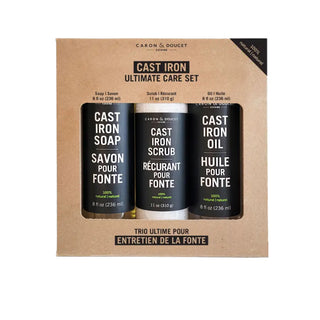
Keep your cast iron ready
$89.99
Season it once, keep it for life. Soap, scrub and oil made for cast iron.
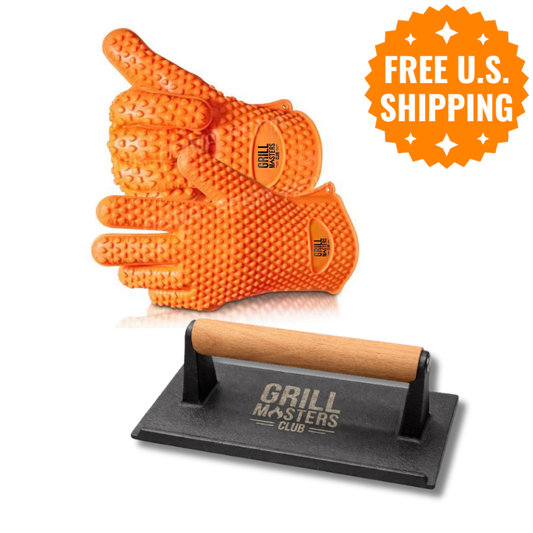
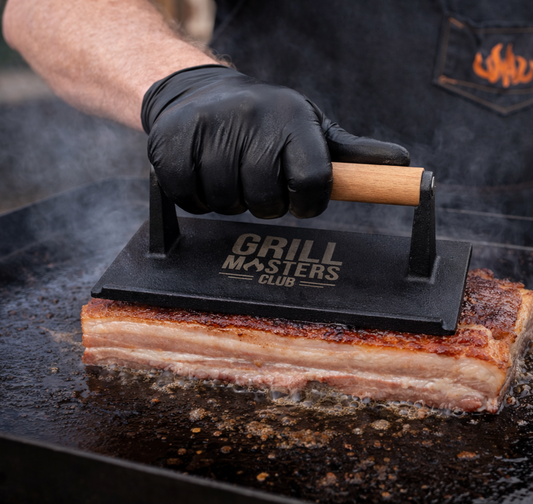
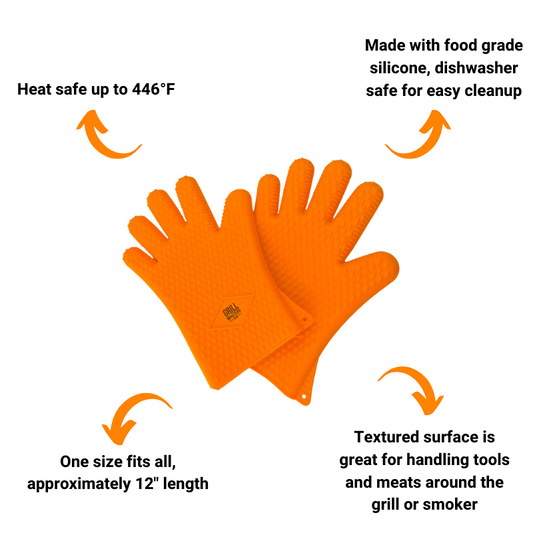
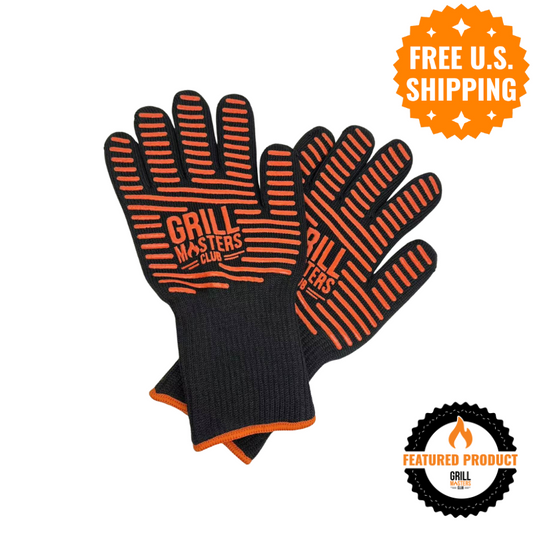
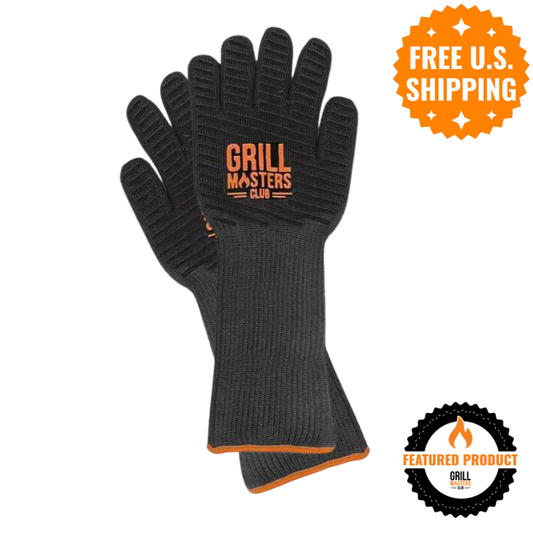
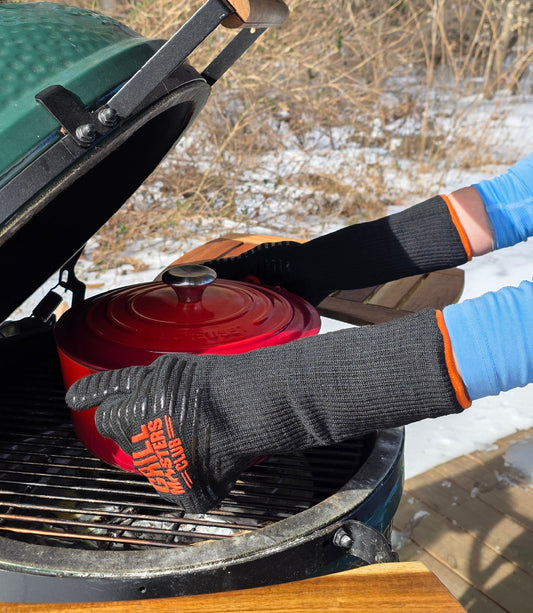
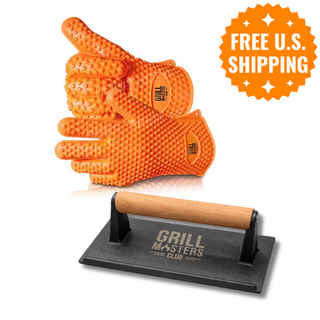
Get the Care SetAdd-on: Sear & Safety Bundle, silicone gloves plus our cast iron bacon and griddle press, $99.99
Understanding Cast Iron Seasoning (What It Is and Why It Matters)
Seasoning is not flavoring, it’s a chemical process.
Definition: Cast iron seasoning is a bonded, protective layer formed when oil polymerizes on hot cast iron.
When oil is heated past its smoke point on cast iron, it undergoes polymerization, bonding to the metal and forming a hard, protective layer. This layer:
- Prevents rust
- Creates natural nonstick performance
- Protects food from metallic flavors
- Improves durability over repeated cooks
A well-seasoned cast iron surface appears dark, smooth, and semi-glossy. Uneven coloration is normal, especially on grill-used cookware.
How to Season Cast Iron (Step-by-Step)
What You’ll Need
- High smoke point oil (grapeseed, avocado, or refined canola) or a dedicated cast iron seasoning oil
- Lint-free cloth or paper towels
- Oven or grill capable of 450 to 500°F
Recommended (available in the Pitmaster Shop):
Seasoning Process
- Clean the cast iron with warm water and a cast iron chain mail scrubber, like the Chain Mail Cast Iron Scrubber & Cleaner by Outset (8" x 6"). Dry completely.
- Apply oil in a very thin layer over all surfaces.
- Wipe excess oil until the surface looks almost dry (this prevents stickiness).
- Heat at 450 to 500°F for 45 to 60 minutes.
- Cool naturally inside the oven or grill.
Repeat 2 to 3 times for new or restored cast iron.
Cast Iron Care on the Grill: What’s Different?
Grilling introduces direct flame, grease flare-ups, ash, and rapid temperature changes. Cast iron is built for this environment, but proper care matters.
Best Practices for Grilling with Cast Iron
- Preheat gradually to prevent thermal shock
- Use grill-safe tools that won’t scrape seasoning
- Clean promptly after cooking
- Oil lightly after high-heat cooks
Cast iron griddles, skillets, press plates, and grill pans excel on gas, charcoal, pellet grills, and smokers.
How to Season Cast Iron Grill Grates (Step by Step)
Most people searching for cast iron care on the grill are really asking about the grates themselves. Bare cast iron grates come with the same deal as a skillet: season them and they release food cleanly and shrug off rust. Skip it and they turn orange after the first rainy week.
Check your grates first. Porcelain-coated (enameled) cast iron grates already have a glassy, sealed finish, and many grill makers say they don't need seasoning. If yours are shiny black or colored and smooth to the touch, read your grill's manual before oiling and baking them. This guide is for bare, raw cast iron grates that look matte gray or black.
Step 1: Clean them down to bare, dry metal
New grates often ship with a factory coating to keep them from rusting in the box. Wash new grates once with warm, soapy water and a stiff nylon brush or a chain mail scrubber. For used grates, scrape off old food and loose carbon first. Rinse, then towel dry right away. Never let cast iron air dry or drip dry. If you're not sure they're bone dry, set them on a warm grill for 5 minutes.
Step 2: Oil every surface, then wipe most of it off
Use a folded paper towel or a silicone brush to coat the top, the bottom and the sides of every bar with a high smoke point oil (see the chart below). Then take a clean towel and wipe until the grates look almost dry. Thin coats are the whole secret. Thick oil turns gummy and sticky instead of curing hard, and drips cause flare-ups.
Step 3: Bake it on, on the grill or in the oven
You have two good options. Pick whichever fits your setup.
| On the grill | In the oven | |
|---|---|---|
| Best for | Grates that are a pain to remove, or a quick touch-up | A brand new set, or a full restore after rust |
| Temperature | All burners on, lid closed, hold 400 to 450°F | 350 to 450°F, below your oil's smoke point is fine as long as it's hot enough to cure |
| Time | 30 to 60 minutes, then let them cool in the closed grill | About 1 hour, then turn the oven off and let them cool inside |
| Watch out for | Drips and flare-ups from too much oil | Smoke in the kitchen. Put foil on the rack below to catch drips |
Step 4: Repeat 2 to 4 rounds
One coat protects the metal. Three or four coats build the dark, slick finish that keeps chicken skin from tearing. Let the grates cool between rounds, repeat steps 2 and 3, and stop when they're an even dark brown or black. Seasoning keeps building every time you cook, so it doesn't have to look perfect on day one.
Step 5: Keep it going every cook
Before you cook, heat the grill, brush the grates and wipe on a light coat of oil with tongs and a towel. After you cook, while the grates are still warm, scrape them clean and wipe on another thin film. That five-minute habit is what stops you from ever doing a full re-season.

Best Oils for Seasoning Cast Iron: Smoke Point Chart
Seasoning is oil that has been heated until it bonds to the iron. The oil needs to handle high heat without burning to a bitter, flaky mess, and it should be neutral in flavor. Smoke points vary by brand and refining, so treat these as typical ranges, not exact numbers.
| Oil or fat | Typical smoke point | Good for seasoning? |
|---|---|---|
| Refined avocado oil | About 500 to 520°F | Yes, great for grill grates and high heat |
| Grapeseed oil | About 420°F | Yes, neutral and spreads thin |
| Canola or vegetable oil | About 400 to 450°F | Yes, cheap and easy |
| Vegetable shortening | About 360°F | Yes, the old-school favorite |
| Beef tallow | About 400°F | Yes, works well for upkeep between cooks |
| Flaxseed oil | About 225°F | Cures very hard but can flake if applied thick. Thin coats only |
| Butter, margarine, unrefined olive oil | Low | No. They burn and turn sticky |
| Nonstick cooking spray | Varies | Skip it. Additives can leave a gummy film |
Want something made for the job? Caron & Doucet Cast Iron Seasoning & Cleaning Oil is built for cast iron upkeep, and the Wagyu Beef Tallow Spray by South Chicago Packing makes the after-cook wipe-down fast.
Best Tools for Maintaining Cast Iron
Proper cast iron care is easier with purpose-built tools designed to protect seasoning while removing residue.
New to cooking over fire? Our First Fire BBQ Box includes wagyu beef tallow spray, a high smoke point fat that works well for oiling cast iron between cooks, along with a thermometer, spatula and everything else for a first cook.
- Seasoning / cleaning oil
-
Chainmail or non-abrasive scrubbers
- We suggest the Chain Mail Cast Iron Scrubber & Cleaner by Outset (8" x 6")
- Cast iron-safe brushes and scrapers (to remove cooked-on bits without stripping seasoning)
Using the right tools helps extend the life of your cast iron and maintain consistent performance over time.
How to Clean Cast Iron (Without Ruining It)
Mild soap is safe for cast iron, but many grillers prefer a dedicated cast iron cleaning oil for routine wipe-downs. The real enemies are moisture, neglect, and abrasion.
Routine Cleaning
- Clean while warm (not hot)
- Use hot water and a chain mail scrubber, brush, or scraper
- Use Griddle & Cast Iron Salt Scrub
- Avoid steel wool for daily cleaning
- Dry immediately
After-Clean Care
Once dry, apply a light coat of oil and heat briefly to set the surface. This habit alone prevents most rust issues.

A great sear leaves a pan that needs a little love. Right after this steak came off the heat, we cleaned the skillet with Caron & Doucet Cast Iron Soap and Scrub, then wiped on a thin coat of their Cast Iron Oil while it was still warm. The Griddle Scrub handles stuck on bits without stripping your seasoning.

Here's the full cleanup kit we keep next to the grill. The Caron & Doucet Ultimate Care Set covers soap, scrub and oil. The Griddle Scrub lifts stuck on bits without stripping your seasoning, and a chain mail scrubber handles the stubborn spots in seconds. Add a Barebones cast iron skillet griddle, a bottle of Lane's Signature rub and Wagyu beef tallow spray, and you're set for your next sear. Every piece here is in the Pitmaster Shop, US orders over $100 ship free, and orders over $150 get free BBQ gloves.
How to Restore Rusty Cast Iron
Rust is not permanent damage, it’s reversible.
- Scrub rust with steel wool or a stiff brush
- Wash and dry thoroughly
- Re-season using the full seasoning process above
Many experienced grillers restore older cast iron because the underlying metal quality is often exceptional.
How to Remove Rust from Cast Iron Grill Grates
Surface rust on grates looks scary but it's usually just a cleaning job. Grates live outside, so they rust faster than a skillet that lives in a cabinet.
- Scrub off the rust. Use steel wool, a stiff wire brush or a chain mail scrubber until you're back to gray metal. For stubborn spots, soak the grates for up to an hour in a 50/50 mix of white vinegar and water, then scrub. Don't leave them soaking longer than that, since vinegar will start eating into good metal too.
- Wash and dry fast. Rinse with warm, soapy water to stop any vinegar action, rinse again, and towel dry right away. Warm them on the grill for a few minutes to drive off the last moisture.
- Re-season from scratch. Run the full grate seasoning process above, 3 or 4 rounds.
- Know when to replace. Rust that has pitted deep holes, flakes in layers or cracked a bar means the grate is done. Seasoning can't rebuild missing metal.
Prevent the next round: oil the grates after every cook, keep the grill covered, and before you put the grill away for winter, give the grates a light coat of oil and store them somewhere dry.

How Often Should You Re-Season Cast Iron?
There's no calendar for this. Your cast iron tells you when it needs a fresh coat.
| What you see | What to do |
|---|---|
| Dark, smooth, food releases | Nothing extra. Keep cleaning and oiling lightly after each cook |
| Dull gray patches or food starting to stick | One or two touch-up rounds of seasoning |
| Sticky or tacky surface | Too much oil. Bake it at 450°F for an hour to finish curing, then go thinner next time |
| Flaking black bits | Scrub the loose layer off, then 2 or 3 thin rounds |
| Orange rust spots | Full rust removal, then 3 or 4 rounds |
| Grates going into winter storage | One light coat before storing |
If you cook on your grill every week and oil after each cook, a full re-season may only be needed a couple of times a year, or after a long stretch of neglect.
What Not to Do with Cast Iron
- Do not store wet
- Do not put in the dishwasher
- Do not soak for long periods
- Do not over-oil during seasoning
- Do not season porcelain-coated grates like bare iron unless the manual says to
- Do not use butter or nonstick spray to season
Shopping for someone who loves their cast iron?
A BBQ gift subscription sends them a new themed box of full-size sauces, rubs and a grilling tool, plus pitmaster recipes, every 2 or 3 months. Shipping is free in the US, and you can add a free digital gift note. Looking for something else? Browse the Holiday Gift Shop for bundles, gear and gifts under $50.
Frequently asked questions
How do you season cast iron grill grates?
Clean the grates down to bare, dry metal, wipe on a very thin coat of high smoke point oil such as avocado, grapeseed or canola, then heat them on the grill at 400 to 450°F for 30 to 60 minutes or in the oven for about an hour. Let them cool and repeat 2 to 4 times.
Can you season grill grates in the oven?
Yes. Oil them thinly, bake at 350 to 450°F for about an hour with foil on the rack below to catch drips, then let them cool in the oven. Repeat 2 to 4 times for a new or restored set.
Do porcelain-coated grill grates need seasoning?
Usually not. Porcelain-coated grates have a sealed finish, and many grill makers say they do not need seasoning. Check your manual. Bare cast iron grates do need it.
What oil is best for cast iron seasoning?
High smoke point, neutral oils like refined avocado, grapeseed or canola work best. Shortening and beef tallow also work. Avoid butter, unrefined olive oil and nonstick cooking spray.
How do you get rust off cast iron grill grates?
Scrub with steel wool or a wire brush, or soak up to an hour in a 50/50 vinegar and water mix and scrub. Wash, dry right away, then re-season with 3 or 4 thin rounds.
How often should I season cast iron?
Only when the surface looks dull, patchy or starts to stick, or after rust. A light coat of oil after every cook usually means a full re-season is rarely needed.
Can cast iron go on a grill?
Yes. Cast iron performs well on gas, charcoal and pellet grills and on smokers. Preheat it gradually with the grill.
Does cast iron need special care after grilling?
Yes. Clean it while it is still warm, dry it completely, and wipe on a light coat of oil.
Final Thoughts
Cast iron improves with consistent care. Whether used on a grill, smoker, or stovetop, proper maintenance ensures reliable performance for years.
For serious grillers, cast iron remains one of the most dependable tools available.
Looking to upgrade your cast iron setup? We have griddles, pans, and maintenance tools available in our Cast Iron Collection.
🏈 Grate Deals: 10% OFF with code USA


Give your cast iron something new to cook
A seasoned pan or a fresh set of grates deserves new flavors. With a Grill Masters Club subscription, a themed box of pitmaster-picked sauces, rubs and a tool shows up every 2 or 3 months, with a recipe booklet built around exactly what's inside. No theme ever repeats.
Start your subscriptionFree US shipping. Shopping for the griller in your life? Give the Gift of BBQ.
Gear up: shop the Cast Iron Collection for skillets, griddles and Caron & Doucet care kits. US orders $100+ ship free.

Shopping for a griller? A Grill Masters Club digital gift card lands in their inbox instantly and never misses.
The add-on
$99.99
Silicone BBQ gloves plus our 2.2 lb cast iron bacon and griddle press. Press it flat, sear it hard.
Get the Sear & Safety BundleJoin 100,000+ Grill Masters
Get weekly recipes, pro tips, and exclusive deals sent straight to your inbox. Plus your free Pit Card download and 10% off your first order.